Waste Framework Directive for Textiles

The Waste Framework Directive (WFD) aims to protect the environment and human health by reducing how much waste is created, limiting the negative effects of waste and its management, and using resources more efficiently. These actions are key to moving toward a circular economy. To achieve these objectives, the Directive establishes a legal framework and outlines the rules for waste management across the EU.
Right to Repair

The directive on common rules promoting the repair of goods, commonly known as Right to Repair Directive (R2RD), aims at promoting more sustainable consumption by increasing repair and reuse of goods both within and outside the legal guarantee. Thus, is one of several pieces of legislation that collectively aim at extending the lifetime of consumer products, preventing premature disposal of repairable goods.
Packaging and Packaging Waste Regulation (PPWR)

As a market access regulation, The Packaging and Packaging Waste Regulation (PPWR) regulates what kind of packaging can be placed on the EU market, as well as packaging waste management and prevention measures. Thus, it applies to all packaging regardless of the material used and covers the full lifecycle of packaging.
Forced Labour Regulation

The Regulation on prohibiting products made with forced labour (FLR) on the Union market bans products made with forced labour from being sold in the EU or exported from the EU and will apply to all sectors and levels of a supply chain.
Corporate Sustainability Due Diligence Directive (CSDDD)

The Corporate Sustainability Due Diligence Directive (CSDDD) aims to promote sustainable and responsible corporate behavior by requiring large companies to identify, assess, and address adverse human rights and environmental impacts in their operations and global value chains.
Green Claims Directive
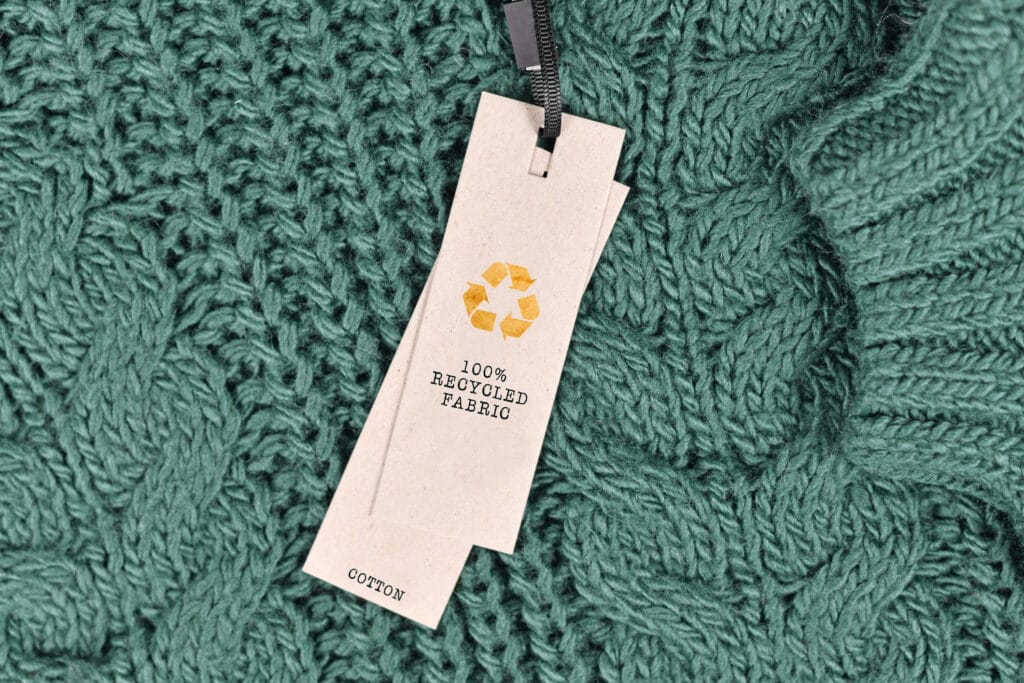
The Green Claims Directive aims to prohibit greenwashing in explicit environmental claims. Under the latest version being negotiated by policymakers, specific environmental claims would have to be verified before being used as marketing materials.
Empowering Consumers for the Green Transition Directive (ECGT)
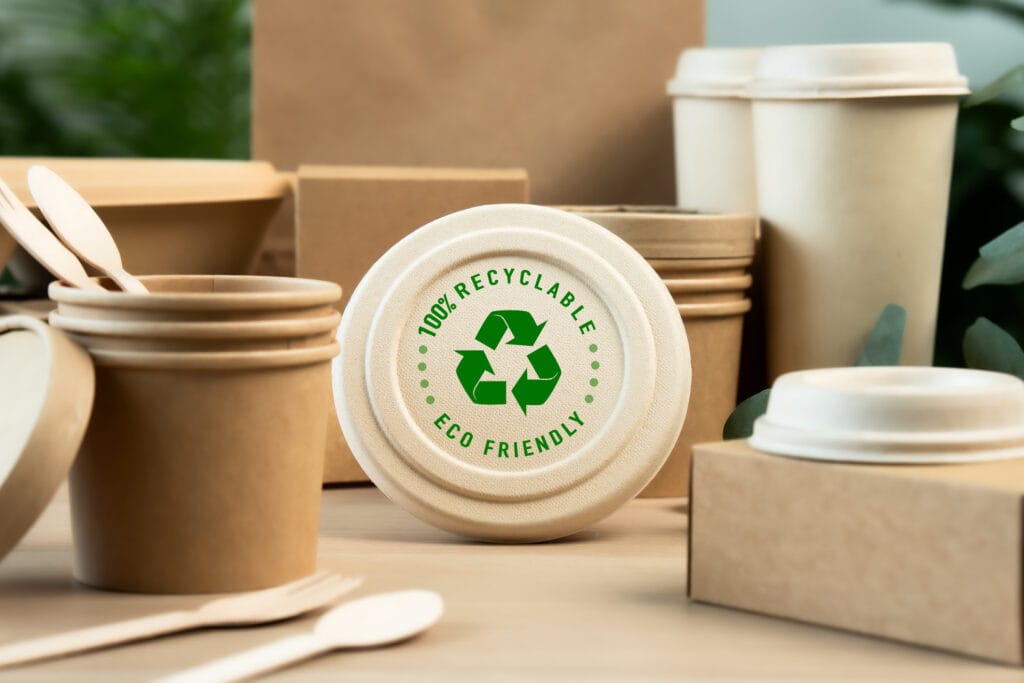
The Empowering Consumers for the Green Transition (ECGT) Directive covers all B2C voluntary claims made in the EU. Generic statements (e.g., eco-friendly, green, ecological, gentle on the environment, energy efficient, biodegradable, etc.) will be illegal if they are not sufficiently substantiated by a proof of excellent environmental performance.
Textile Labelling Regulation Revision

The EU Textile Labelling Regulation (TLR) establishes labelling requirements for products commercialised within the European Union that are made up of at least 80% of textile fibres. This includes articles like clothing, furniture coverings, mattress coverings, and camping tents.
EU Ecolabel Regulation
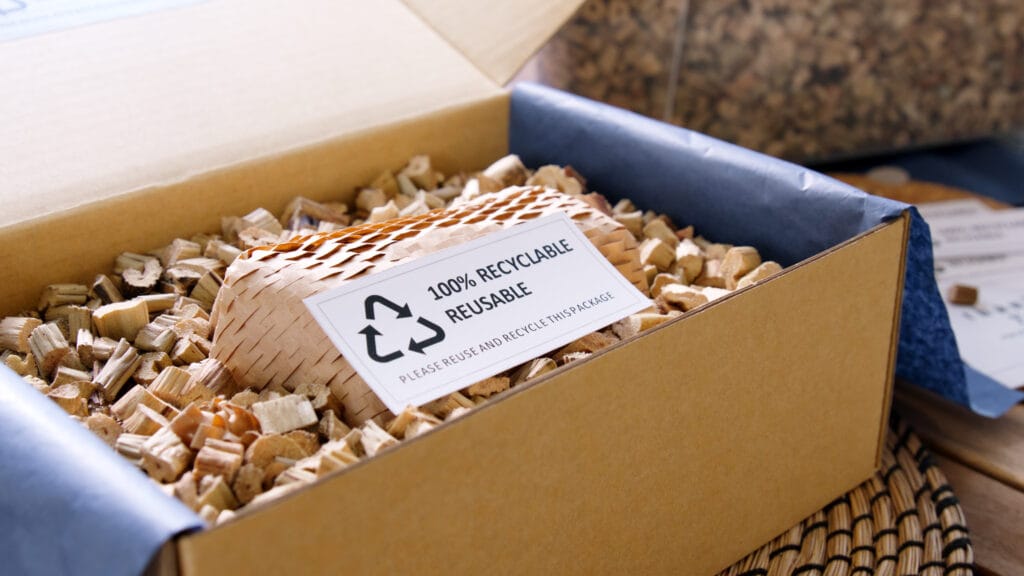
The Regulation on EU Ecolabel concerns a voluntary environmental labelling scheme, that promotes goods and services with a guaranteed reduced environmental impact throughout their entire life cycle. Therefore, it helps consumers, retailers, businesses and producers to make truly sustainable choices.
Soil Monitoring Law

Recognising the natural services provided by healthy soils, the European Commission published in 2021 an EU Soil Strategy for 2030, aiming to have all soils across the EU in healthy condition by 2050.