Organic Regulation
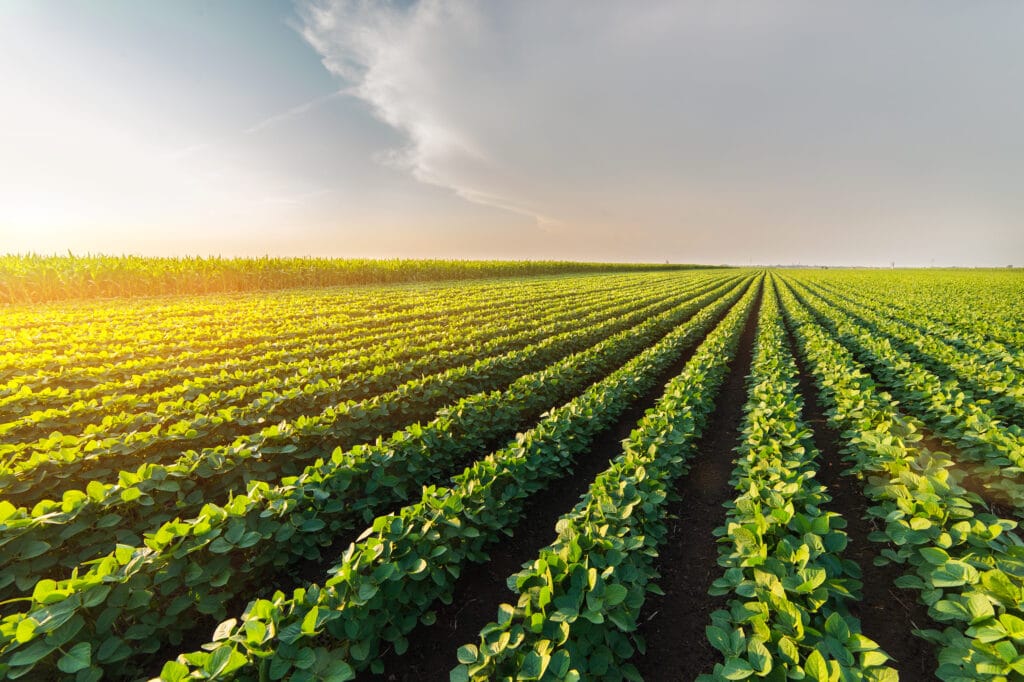
The Organic Regulation sets EU rules for producing and labelling organic food. It restricts external inputs, bans GMOs and mineral nitrogen fertilisers, promotes soil health, and requires organic feed and strict welfare standards for livestock. It also defines the transition to organic farming and criteria for using the EU organic label.
Vision for Agriculture & Food
The Vision is a strategic document setting the priorities of the European Commission for the agri-food sector until 2040. It is built on the outcomes of the Strategic Dialogue on the Future of EU Agriculture, a forum launched in January 2024 by the European Commission to create a shared vision for European agriculture.
Corporate Sustainability Reporting Directive (CSRD)

The Corporate Sustainability Reporting Directive (CSRD) replaces the “Non-Financial Reporting Directive (NFRD)” to increase transparency in sustainability reporting and enhance the availability of ESG data in the financial value chain.
Eco-design for Sustainable Products Regulation (ESPR)

The Ecodesign for Sustainable Products Regulation (ESPR) is an important part of the European Green Deal and Circular Economy Action Plan, designed to guide the EU’s transition to a circular economy in order to reduce pressure on natural resources and create sustainable growth.
REACH
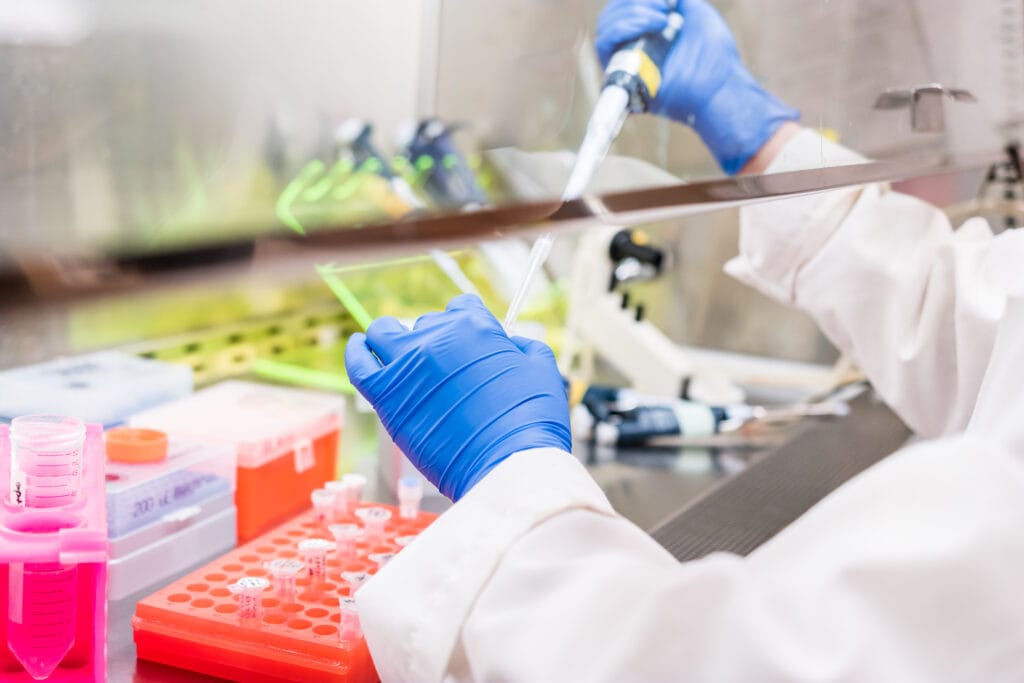
The REACH regulation (Registration, Evaluation, Authorisation and restriction of Chemicals) is the main EU law that aims at regulating chemicals and their management in order to protect human health and the environment.
EU Deforestation Regulation (EUDR)

The EU Deforestation Regulation (EUDR) aims to ensure that certain products consumed within the EU do not contribute to deforestation or forest degradation. It applies to seven key commodities—cocoa, coffee, soy, palm oil, rubber, wood, and cattle—as well as their derivatives or embedded products.