
Bioeconomy Strategy

The Strategy for a Competitive and Sustainable EU Bioeconomy, also known simply as Bioeconomy Strategy, aims to boost innovation and support the deployment of solutions based on biological resources to create added value.
Waste Framework Directive for Food
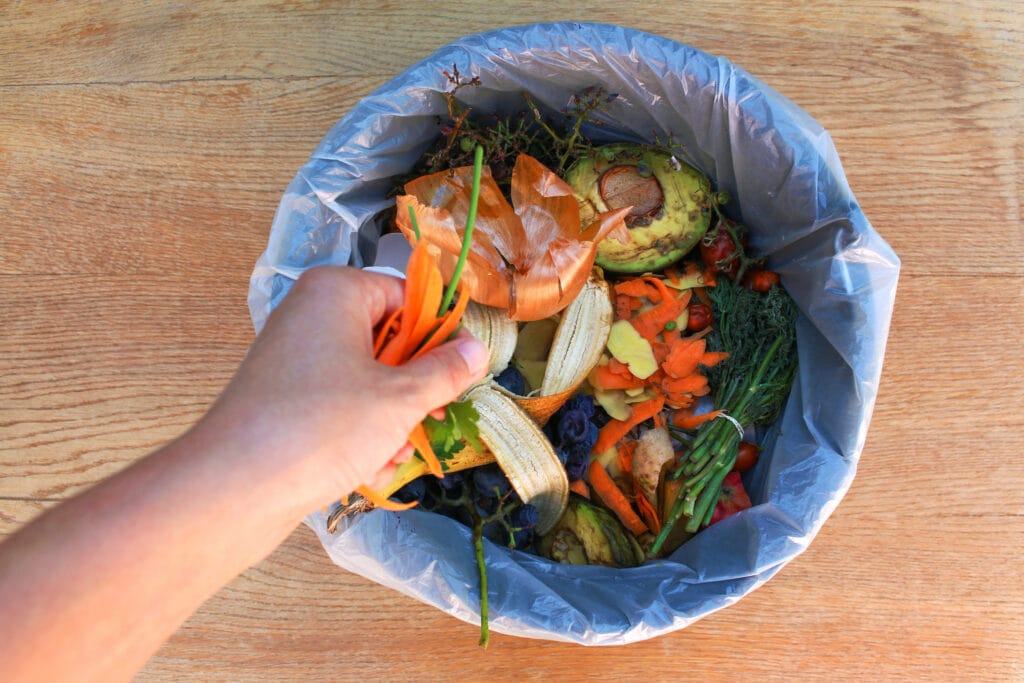
The Waste Framework Directive (WFD) aims to protect the environment and human health by reducing waste creation, limiting the negative effects of waste and its management, and using resources more efficiently. These actions are key to moving toward a circular economy. To achieve these objectives, the Directive establishes a legal framework and outlines the rules for waste management across the EU.
Waste Shipment Regulation
Since 1993, the EU has implemented the obligation of the Basel Convention - the international treaty on transboundary movement of hazardous wastes and their disposal - through two regulations on shipment of waste (one in 1993 and the other in 2006). Recently, a revision of the Waste Shipment Regulation (WSR) was adopted.
Waste Framework Directive for Textiles

The Waste Framework Directive (WFD) aims to protect the environment and human health by reducing how much waste is created, limiting the negative effects of waste and its management, and using resources more efficiently. These actions are key to moving toward a circular economy. To achieve these objectives, the Directive establishes a legal framework and outlines the rules for waste management across the EU.
Right to Repair

The directive on common rules promoting the repair of goods, commonly known as Right to Repair Directive (R2RD), aims at promoting more sustainable consumption by increasing repair and reuse of goods both within and outside the legal guarantee. Thus, is one of several pieces of legislation that collectively aim at extending the lifetime of consumer products, preventing premature disposal of repairable goods.
Packaging and Packaging Waste Regulation (PPWR)

As a market access regulation, The Packaging and Packaging Waste Regulation (PPWR) regulates what kind of packaging can be placed on the EU market, as well as packaging waste management and prevention measures. Thus, it applies to all packaging regardless of the material used and covers the full lifecycle of packaging.
Eco-design for Sustainable Products Regulation (ESPR)

The Ecodesign for Sustainable Products Regulation (ESPR) is an important part of the European Green Deal and Circular Economy Action Plan, designed to guide the EU’s transition to a circular economy in order to reduce pressure on natural resources and create sustainable growth.