
Water Resilience Strategy

The Water Resilience Strategy seeks to improve water management across the EU Member States. It recognises that water-related disasters like floods and droughts, water inequalities, and water stress will only worsen with climate change, and harm Europe’s citizens and businesses.
Nature Credits Roadmap

The Roadmap sets out the European Commission’s actions related to nature credits until 2027. During two years, the Commission will engage with stakeholders across multiple workstreams to gather evidence on the opportunity and potential design of a nature credits scheme.
Omnibus on Food and Feed Safety

As part of its simplification agenda and effort to cut administrative burdens on European companies, the Food and Feed Safety Omnibus aims to streamline and harmonise EU rules and procedures across areas including plant protection and biocidal products, feed, official controls, and animal health and welfare.
Digital Product Passport (DPP)

Established under the Ecodesign for Sustainable Products Regulation (ESPR), the Digital Product Passport (DPP) is a digital identity tool designed to provide comprehensive information regarding the environmental and sustainability attributes of products commercialised in the EU market.
European Climate Law

The European Climate Law sets the European Union’s objective to slash greenhouse gases emissions by 100% by 2050 compared to 1990 levels.
Carbon Farming

The Carbon Removals and Carbon Farming Regulation (CRCF) seeks to put in place a common framework for the certification of carbon removals and carbon farming.
Bioeconomy Strategy

The Strategy for a Competitive and Sustainable EU Bioeconomy, also known simply as Bioeconomy Strategy, aims to boost innovation and support the deployment of solutions based on biological resources to create added value.
Water Framework Directive
Since 2000, the Water Framework Directive is the main European law on water protection. It mandates Member States to put in place River Basin Management Plans, at international level if relevant, to protect and restore water bodies to reach a good status by 2027.
Waste Framework Directive for Food
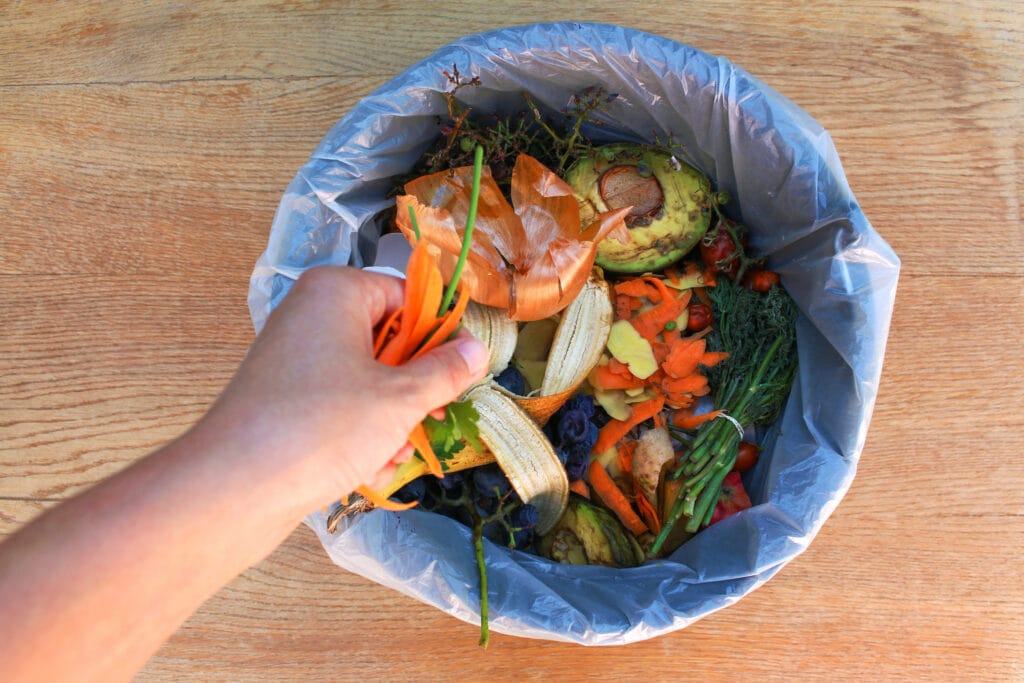
The Waste Framework Directive (WFD) aims to protect the environment and human health by reducing waste creation, limiting the negative effects of waste and its management, and using resources more efficiently. These actions are key to moving toward a circular economy. To achieve these objectives, the Directive establishes a legal framework and outlines the rules for waste management across the EU.
Waste Shipment Regulation
Since 1993, the EU has implemented the obligation of the Basel Convention - the international treaty on transboundary movement of hazardous wastes and their disposal - through two regulations on shipment of waste (one in 1993 and the other in 2006). Recently, a revision of the Waste Shipment Regulation (WSR) was adopted.