

The Protein Plan is about much more than what’s on our plates.
The EU’s new Protein Action Plan signals a fundamental shift in how Europe thinks about protein. No longer viewed solely through the lens of agriculture, protein is now framed as a strategic resource linked to food security, competitiveness and resilience. The Plan shows how the Commission intends to reduce import dependencies, strengthen domestic production and support innovation across the food system.
In many ways, the Plan follows a familiar pattern. Like the EU’s approaches to critical raw materials, batteries and semiconductors, it identifies a strategic dependency and sets out measures to strengthen domestic capacity while reducing external vulnerabilities. This blog looks in more detail at what it contains, what it means for the agri-food sector and whether it has been a missed opportunity for a wider debate about dietary transitions.
The EU Protein Plan aims to tackle dependency on imports
Although published alongside the Livestock Strategy, the Protein Plan deserves attention in its own right. Together, the two strategies aim to strengthen Europe’s food security and strategic autonomy, but the Protein Plan provides the broader framework for the EU’s approach to protein production and resilience.
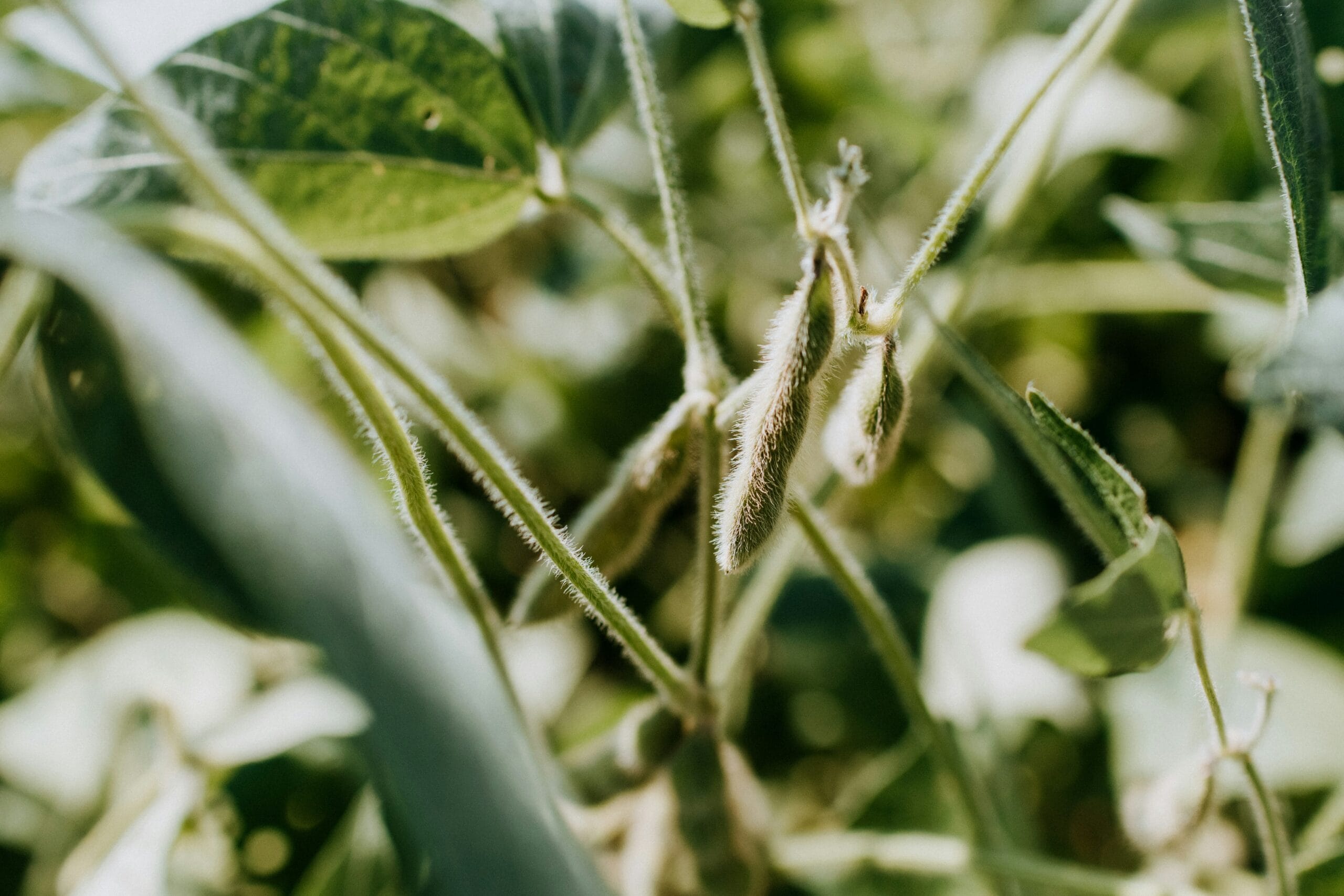
The EU has a highly productive agricultural sector, and is largely self-sufficient in meat and dairy, but it remains heavily dependent on imported protein-rich feed, particularly soybeans and soybean meal. For example, when it comes to soy the EU produces just 9% of the soy protein it consumes, importing the remaining 91%. And, of course, this is not just about meeting a growing demand for plant-based alternative foods and drinks, this disparity is a strategic risk because soy and other forms of plant-based protein are what goes into animal feed: the EU livestock sector uses 74 million tonnes of protein as animal feed per year. According to the Protein Project, without access to imported high-protein meal, EU livestock production could fall by up to 40%, with the greatest impacts on pork, poultry and egg production.
Dependencies on imports from third countries, mostly Brazil, Argentina and the US, not only make the EU’s agri-food system vulnerable to global market fluctuations, but they also affect the capacity to avoid supply chains disruptions and limit progress on the sustainability transition.
What’s in the EU Protein Plan?
The Protein Plan was presented together with the Livestock Strategy, sharing a common ambition: to strengthen Europe’s food security, reinforce EU strategic autonomy and help sustain vibrant rural communities, especially in regions at risk of land abandonment.
The Plan combines concrete measures to strengthen EU production of protein and oilseed crops while stimulating demand to ensure an outlet for the EU production, both for feed and for food.
It has four pillars:
- increasing domestic protein production;
- strengthening value chains and investment;
- supporting innovation through biotechnology and Horizon Europe;
- creating market demand through procurement and national policies.
Strengthening Domestic Protein Production
The Plan aims to increase the share of EU-grown oilseeds and protein crops in animal feed to 35% by 2035, from 25% currently. In order to achieve this, the Commission is strengthening EU production by incentivizing protein crops through CAP tools, including eco-schemes, and rural development measures, and developing resilient value chains supported by processing infrastructure, greater use of contracts, and targeted investments.
Innovation is a central pillar of the strategy. Alongside measures to increase domestic production, the Commission plans to invest in crop innovation, seed development and biotechnology to strengthen the resilience and competitiveness of Europe’s protein sector. Biotechnology is expected to play an increasingly important role in expanding the range of protein sources available in the EU, including through advanced fermentation technologies that can produce novel protein ingredients with a lower environmental footprint. In this context, the upcoming Biotech Act II, expected later this year, aims to strengthen the EU’s industrial competitiveness in biotechnology and biomanufacturing, supporting the scale-up and commercialisation of innovations that can contribute to a more diversified and resilient protein supply.
Boosting EU’s protein production: the cost
The next Multiannual Financial Framework (MFF) offers an opportunity to channel investment into the EU protein crop sector, supporting domestic production and reducing dependence on imported protein.
To encourage more sustainable farming practices, the Commission is developing a certification methodology under the Carbon Removals and Carbon Farming Regulation (CRCF). This would reward practices such as converting cropland to grassland, improving grassland management and growing legumes to reduce nitrous oxide (N₂O) emissions. Therefore, it marks another possible route to enhanced financing for legume cultivation in the EU.
Alongside measures to boost production, the Commission wants to stimulate demand for EU-grown protein crops. The upcoming revision of the Public Procurement Act (expected on 9 September) could encourage healthier and more diversified diets through public purchasing, while Member States are encouraged to complement this with innovation support, procurement policies and, where appropriate, fiscal incentives.
Why the EU Protein Plan Matters
The Protein Plan is significant not simply because of its individual measures, but because it applies the same strategic logic the Commission has used in recent years for critical raw materials, batteries and semiconductors. Rather than treating protein solely as an agricultural commodity, the Commission now considers secure protein supply to be an economic and geopolitical priority.
What Does This Mean for the Agrifood Sector?
As implementation of the EU Protein Plan unfolds, businesses should pay close attention to how its ambitions are reflected in the next CAP, the Multiannual Financial Framework, the Biotech Act and the revision of the Public Procurement Framework. Together, these initiatives will shape future funding, innovation support and market opportunities across the protein value chain.
For farmers, the Plan could strengthen incentives to grow protein crops and diversify production. For food businesses and technology developers, it points to growing EU support for resilient supply chains, industrial biotechnology and European protein innovation.
Looking Beyond Feed Security
One of the most striking features of the Action Plan is that, despite its broad ambition, it remains largely focused on the EU’s dependence on imported proteins for animal feed. The Commission frames protein resilience primarily as a supply-chain, food security and strategic autonomy challenge.
In this debate, the Commission has left little space for a broader discussion on food demand and dietary transition. The Plan recognises the need for protein diversification, but its centre of gravity remains firmly within the livestock feed system rather than a transformation of how proteins are consumed across Europe. This leaves relatively little room for a broader discussion on how changing consumer demand – for example a growing consumer interest in plant-based foods and trends towards more “flexitarian” diets – could contribute to Europe’s protein resilience.
What’s Next for Europe’s Protein Strategy?
Momentum around plant-based foods continues to grow across the EU and among businesses and investors. Unlike the EU strategy, Denmark’s approach, for example, addresses both supply and demand, linking production with consumption, procurement and market development. It has become the first country in the world to adopt a dedicated national Action Plan for Plant-Based Foods. The strategy addresses not only production but also consumption, public procurement, education, exports, innovation and the development of a complete plant-based value chain.
In this context, the EU Protein Action Plan appears somewhat cautious. While it aims to increase the availability of European protein sources, it stops short of articulating a vision for how changing consumer demand could itself become part of Europe’s protein resilience strategy. This may reflect the political sensitivity of food consumption debates in Brussels.
The Protein Action Plan is more than an agricultural strategy, it is a strategic resilience strategy. Its success will ultimately depend not only on increasing Europe’s protein production, but also on how effectively future policies connect production, innovation, markets and, potentially, changing patterns of consumption.
Read more:
- See our brief analysis of the Protein Plan and Livestock Strategy on LinkedIn
- Ohana, EU Agri-Food Policy in 2026: A Forward-Looking Guide for Businesses
- Ohana, Understanding The EU’s 2040 Vision For Agriculture And Food
- The European Commission’s Protein Action Plan