
Forced Labour Regulation: the path is clearer

Forced Labour Regulation: judged on the result, but evidence is key Under the EU’s Forced Labour Regulation, it won’t be enough to have tried to eradicate forced labour from a supply chain. Companies will have to ensure that their products are free of forced labour. The European Commission’s new guidelines offer a clearer picture of […]
The EU Protein Action Plan: Protein Becomes Strategic

The Protein Plan is about much more than what’s on our plates. The EU’s new Protein Action Plan signals a fundamental shift in how Europe thinks about protein. No longer viewed solely through the lens of agriculture, protein is now framed as a strategic resource linked to food security, competitiveness and resilience. The Plan shows […]
EU traceability and transparency requirements: why they now matter beyond agri-food
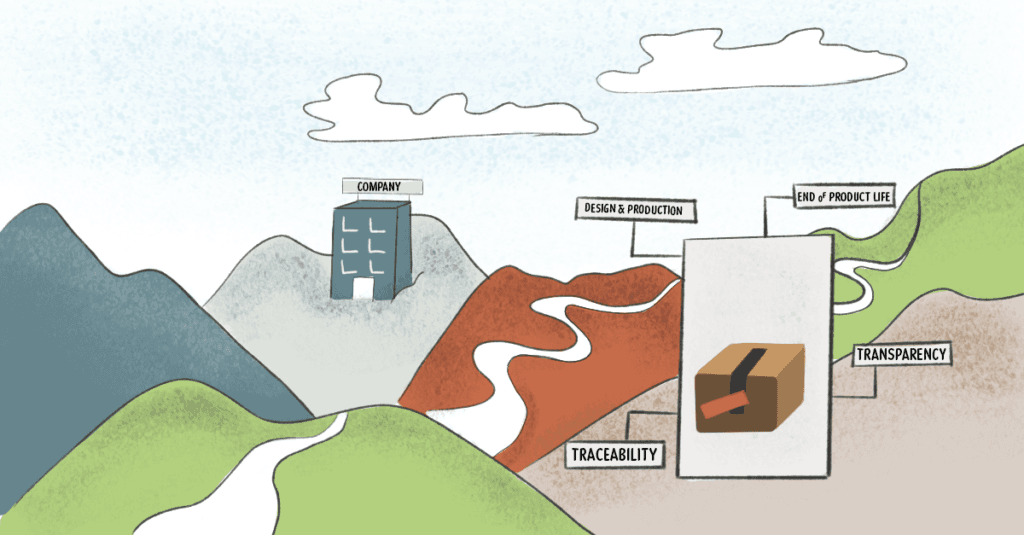
EU traceability and transparency requirements are moving beyond traditional compliance and toward verifiable supply-chain data. From the EU Deforestation Regulation to the future Digital Product Passport, companies are increasingly expected to show where products come from, how they were made, and whether sustainability-related claims can be supported. This shift is no longer limited to agri-food. […]
EU Agri-Food Policy in 2026: A Forward-Looking Guide for Businesses
2026 is set to be a defining year for the agri-food sector. During the second half of 2025 the political focus continued to shift towards competitiveness, resilience and simplification, and this tendency is expected to be further reinforced in 2026, manifesting itself in new waves of simplification and industrial support measures. Sustainability remains a core […]
Common Questions Food & Beverage Brands Are Asking About EUDR – Part 2
The EU Deforestation Regulation (EUDR) has created a wave of questions from companies in the food and beverage sector working to understand their compliance obligations. Following the one-year delay that moved implementation to December 30, 2026 for large enterprises, brands are now entering a crucial time to address these complexities – but with many pressing […]
EU Bioeconomy Strategy 2025: Implications for the Agri-Food Sector – and for Textiles Too
A revised EU Bioeconomy Strategy is expected by the end of 2025, as the European Commission seeks to boost strategic autonomy, advance its climate and circularity goals, and reduce dependence on fossil resources. At the heart of this transformation lies the agri-food sector, a major user and producer of biological resources, and a critical actor […]
Nature Credits: Inside the EU’s Plan for a Biodiversity Market

As the twin crises of biodiversity loss and climate change intensify, policymakers and businesses are exploring new ways to integrate nature into economic decision-making. One of the approaches is the use of nature credits – market-based instruments designed to reward actions that protect and restore ecosystems. In April, the Commissioner for Environment, Water Resilience and […]
The EU Organic Regulation: New Requirements For Smallholder Farmers

Organic agriculture continues to grow in popularity worldwide, driven by strong consumer demand, environmental concerns, and evolving food systems. According to the World of Organic Agriculture, published in 2025 by the Research Institute of Organic Agriculture (FiBL) and IFOAM, organic agriculture is practised in almost 190 countries, and nearly 99 million hectares of agricultural land […]
Understanding The EU’s 2040 Vision For Agriculture And Food
Published on 19 February, the European Commission’s highly-anticipated Vision for the Future of EU Agriculture and Food, sets an ambitious perspective and roadmap for Europe’s agri-food system towards 2040 and beyond. To a certain extent, the Vision is a legacy of the Farm-to-Fork strategy, in that it outlines the future of the EU agri-food industry, […]
EU Carbon Removal Certification Framework: Achieving Climate Targets and Supporting the Transformation of The Agri-food Sector
The agri-food sector plays a pivotal role in achieving the EU carbon neutrality and in broader climate mitigation and adaptation measures globally. As the EU ramps up its efforts to achieve climate neutrality approaching the milestone year of 2030, the Carbon Removal Certification Framework (CRCF) emerges as another critical initiative. This framework, which became a […]